
How GLP-1 Medications Actually Work (Simple Explainer)
Learn how GLP-1 medications like Ozempic and Wegovy mimic natural gut hormones to control blood sugar, reduce appetite, and support weight loss.
What is GLP-1? The Body's Glucose Regulator and Appetite Signal
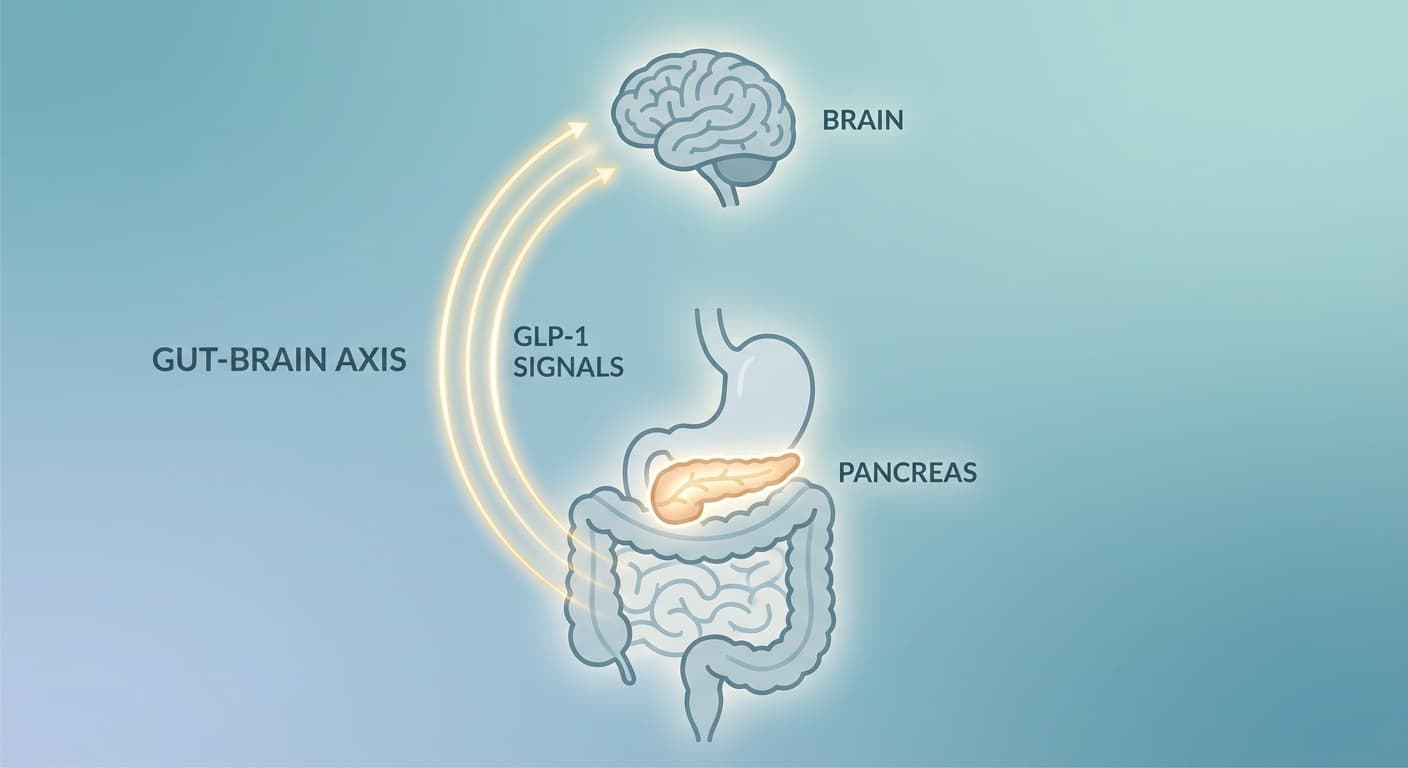
GLP-1 stands for glucagon-like peptide-1, a hormone naturally produced in your gut after you eat. Think of GLP-1 as your body's built-in meal helper – when food enters the intestines, GLP-1 is released and sends important messages to different organs. One message goes to the pancreas, telling it to release insulin (the hormone that lowers blood sugar) but only when blood sugar is high. Another message goes to the brain's appetite centers, signaling that you've had enough to eat, which helps you feel full (satiety).1 By coordinating these signals, GLP-1 helps keep your blood glucose (blood sugar) levels stable and prevents overeating.
Importantly, GLP-1's actions depend on the situation. It boosts insulin only in response to food – sort of like a smart thermostat that turns on the heat only when it's cold. This means GLP-1 won't cause blood sugar to drop too low under normal conditions. In fact, GLP-1 also reduces the release of glucagon, a hormone that normally raises blood sugar, but again mainly when blood sugar is already high.2 Along with these effects, GLP-1 slows down gastric emptying, which is a fancy way of saying it makes your stomach empty food into the intestines more slowly. (You can imagine this like a traffic light at the exit of your stomach, metering how fast the "traffic" of food moves through – preventing a big surge of glucose into your blood.) The overall result is steadier blood sugar levels after meals and a feeling of fullness that curbs appetite.
GLP-1 Receptor Agonists: Medications That Mimic GLP-1
GLP-1 receptor agonists (GLP-1 RAs) are medications designed to act just like your natural GLP-1 hormone. In essence, they mimic the action of GLP-1 by activating the same GLP-1 receptors in the body.3 Popular drugs in this class include semaglutide (known by brand names like Ozempic® for type 2 diabetes and Wegovy® for weight loss) and liraglutide (Victoza® for diabetes and Saxenda® for weight loss), among others. There are also exenatide (Byetta®/Bydureon®), dulaglutide (Trulicity®), and newer ones in development. These medications are often called "incretin mimetics" because GLP-1 is an incretin hormone – one of the gut hormones that increase insulin release after meals.4
One key difference between natural GLP-1 and these drugs is duration. Natural GLP-1 works quickly but is broken down within minutes by enzymes in the body. Drug companies have engineered GLP-1 agonists to last much longer (hours or even days).5 For example, semaglutide is modified to resist breakdown and binds to a blood protein so it stays active longer.6 This is why some GLP-1 medications can be taken only once a week and still have a continuous effect. (Semaglutide even comes in a daily pill form for those who prefer pills over injections.) Most GLP-1 RAs are taken as injections under the skin, using a small pen device. While the idea of injections might sound scary, the needles are typically very thin, and dosing can be weekly or daily depending on the drug.
How these medications work: Once in your body, GLP-1 agonists bind to GLP-1 receptors just like the real hormone. By doing so, they trigger the same signals that natural GLP-1 would: more insulin when needed, less glucagon, slower stomach emptying, and reduced appetite.7 In short, they "trick" your body into responding as if it just ate a meal (even if you haven't), resulting in lower blood sugar and decreased hunger. We'll break down these effects in the next section.
How GLP-1 Medications Affect Blood Sugar and Appetite
GLP-1 receptor agonist drugs have a multi-faceted effect on the body's metabolism. They aren't one-trick ponies – they tackle the blood sugar problem from several angles at once, and also influence appetite and digestion. Here are the key actions of GLP-1 and its drug mimics:
-
Stimulating Insulin Release (Only When Needed): GLP-1 meds boost your pancreas to release insulin in a glucose-dependent way. This means when you eat and your blood sugar rises, the medication helps your pancreas respond with more insulin to bring sugar down.2 But if your blood sugar is normal or low, a GLP-1 drug doesn't force more insulin out. This smart response greatly lowers the risk of hypoglycemia (dangerously low blood sugar) compared to some older diabetes medications.8 You can imagine GLP-1 as a coach shouting "let's get to work!" to your insulin-producing cells, but only when there's actually sugar to handle.
-
Reducing Glucagon and Liver Sugar Output: At the same time, GLP-1 signals the alpha cells of the pancreas to hold off on producing glucagon (the hormone that tells the liver to release stored sugar).3 Normally, glucagon is useful if your blood sugar is dropping too low. But after a meal, you don't want extra sugar dumped into your bloodstream. GLP-1 acts like a stop sign for glucagon when blood sugar is high, so the liver doesn't add more fuel to the fire. The result is a smoother post-meal blood sugar curve, without spikes from both food and liver sugar.
-
Slowing Gastric Emptying (Digestive "Slow Down"): GLP-1 drugs cause food to move more slowly from your stomach into your small intestine.2 If the stomach is a sink and the intestine is a drain, GLP-1 is partially closing the drain. This slower gastric emptying means glucose from your meal is absorbed into your blood gradually rather than all at once. It helps prevent sharp blood sugar peaks after eating.4 A nice side effect of this slowing is that you feel full longer – the food literally stays in your stomach longer. (This is one reason people on GLP-1 medications often report feeling less hungry or satisfied with smaller portions.)
-
Curbing Appetite and Promoting Fullness: GLP-1 has direct effects on the brain, especially areas that control appetite. The hormone (and the medications that mimic it) send "I'm full" signals to your brain's satiety center.9 It's like an internal fullness alarm that shuts off your desire to keep eating. Patients often notice reduced cravings and an easier time saying no to extra helpings. Over time, this leads to eating fewer calories. In fact, GLP-1 receptor agonists are so effective at suppressing appetite that some versions (like high-dose semaglutide and liraglutide) are approved specifically for weight loss in people without diabetes. These drugs essentially dial down the "hunger hormone" signals and dial up the "you've had enough" signals, helping people naturally eat less.1 It's a bit like having willpower in a pen – though of course, healthy diet habits are still important!
Thanks to these combined actions, GLP-1 medications not only lower blood sugar effectively, they also contribute to weight loss. In clinical studies, all GLP-1 drugs have shown significant weight reduction in patients with type 2 diabetes or obesity.10 For example, the high-dose weekly semaglutide (Wegovy®) has helped people lose around 15% of their body weight on average over about a year in trials – an unprecedented result for a medication.11 This occurs because of the lower calorie intake (due to reduced appetite and slower gastric emptying) and possibly other metabolic effects that are still being studied. By contrast, many older diabetes medications tended to increase weight or had no effect on weight.
How GLP-1 Medications Differ from Traditional Diabetes Drugs
GLP-1 receptor agonists have a unique way of working, and this comes with some important differences compared to more traditional type 2 diabetes medications:
-
Lower Risk of Hypoglycemia: Because GLP-1 drugs stimulate insulin only in the presence of elevated glucose, they rarely cause dangerously low blood sugar on their own.8 This is a stark contrast to older drugs like sulfonylureas (e.g., glipizide, glyburide), which force the pancreas to release insulin regardless of current glucose levels, or insulin injections themselves – both of which can lead to hypoglycemia if one is not careful. With a GLP-1 agonist, your body's insulin release is more self-regulating. (However, if you combine a GLP-1 RA with insulin or a sulfonylurea, low sugars can occur, so doctors often reduce doses of those other drugs to be safe.)
-
Weight Loss vs. Weight Gain: Several traditional diabetes meds, including insulin therapy and certain pills, often cause weight gain or at least make weight loss harder. GLP-1 RAs are the opposite – they typically cause weight loss while improving blood sugar control.12 As noted above, this is due to their appetite-suppressing and gastric slowing effects. In practical terms, patients on GLP-1 drugs often find they naturally eat less and slowly lose weight. This dual benefit (better glucose control and weight reduction) is a major advantage. As one expert put it, "some other treatments for type 2 diabetes can actually cause weight gain, whereas GLP-1 drugs control blood sugar while also reducing body weight." For individuals who are overweight or obese, GLP-1 medications can address two problems at once.
-
Multiple Actions vs. Single Target: Older diabetes medications usually target one aspect of the disease. For example, metformin mainly reduces glucose production by the liver and improves insulin sensitivity; insulin injections provide more insulin; SGLT2 inhibitors make you urinate out excess glucose; DPP-4 inhibitors gently raise incretin levels by slowing their breakdown. GLP-1 RAs, however, hit multiple targets together – they act on the pancreas, liver, stomach, and brain. This holistic approach can result in broader benefits (like some improvements in blood pressure, cholesterol, and even heart and kidney health in certain patients) beyond just lowering blood sugar. In fact, studies have found that GLP-1 RA drugs not only improve diabetes control but also lower the risk of major heart-related events in high-risk individuals,13 something not all older drugs can claim. This has led to some GLP-1 drugs being recommended for patients with cardiovascular disease.
-
Side Effect Profile: All medications have side effects, and GLP-1 agonists have their own quirks. The most common side effects are gastrointestinal – nausea, vomiting, or diarrhea – especially when first starting or when the dose is increased.14 These side effects are actually linked to how the drug works (that slower stomach emptying and increased fullness can make one feel a bit queasy, especially if one overeats). The good news is that these symptoms are usually temporary and manageable: they often fade as your body adjusts, and doctors mitigate them by starting with a low dose and increasing it slowly. Traditional diabetes drugs have different side effects: for example, sulfonylureas can cause hypoglycemia; insulin can cause weight gain and low sugar; metformin can cause stomach upset but usually less as time goes on; thiazolidinediones (like pioglitazone) can cause weight gain and swelling, etc. So in comparison, GLP-1 medications' side effect profile is relatively limited (mostly GI issues) and there is no inherent risk of low blood sugar unless combined with other glucose-lowering drugs.
-
Route of Administration: Traditional oral drugs (pills) are obviously easier to take than injections, and for a long time most GLP-1 drugs required injections. Some patients are understandably hesitant about injections. However, because of the long-acting nature of GLP-1 RAs, many are only once-weekly shots (with tiny needles). And now there is an oral form of semaglutide available for type 2 diabetes, which offers the GLP-1 benefits without an injection.15 This gap between injection vs pill is closing. It's worth noting that the pen injectors for GLP-1 meds are generally user-friendly, and many patients find weekly injections quite manageable after the initial learning curve. In contrast, insulin might require multiple daily injections and blood sugar monitoring, whereas a GLP-1 weekly shot is more "set and forget" for a lot of the day-to-day.16
In summary, GLP-1 receptor agonists are game-changers in diabetes and obesity treatment because they combine the effects of several types of older medications into one. They lower blood sugar, help with weight loss, and carry low risk of hypoglycemia.12 That said, they are not magic or without considerations. They can cause stomach-related side effects, they tend to be more expensive, and not everyone responds the same way. But for many patients, GLP-1 drugs offer a much-needed helping hand in controlling blood sugar and reducing weight, which in turn can improve overall health.
Conclusion
GLP-1 medications, like semaglutide and liraglutide, work by imitating a natural gut hormone (GLP-1) that helps regulate our metabolism. By boosting insulin release when it's needed, dialing down excess sugar release, slowing digestion, and taming appetite, these drugs address two core issues of type 2 diabetes – high blood sugar and overeating/weight gain – at once. An easy way to remember their effect is: they help your body handle food more wisely. This combined action sets them apart from many older diabetes treatments, which often focus on a single pathway and can have downsides like weight gain or hypoglycemia. GLP-1 receptor agonists have proven not only to improve blood sugar control but also to aid weight loss and even provide additional health benefits for the heart and kidneys in some cases.
For users of a GLP-1 medication tracking app or anyone curious about these drugs, it's empowering to understand how and why they work. The science behind GLP-1 RAs shows that they are leveraging the body's own signaling system – essentially giving nature a helpful boost with a medicine that acts like an "enhanced" version of our gut hormones. This results in a more balanced post-meal response: sugars are managed and appetite is reduced. Always remember, though, that medication is just one tool in managing health. GLP-1 drugs work best in combination with mindful eating and a healthy lifestyle. But thanks to their unique mechanism, they make those healthy choices a bit easier by naturally curbing your hunger and keeping blood sugar swings in check. In a nutshell, GLP-1 medications help your body help itself, leading to better control of diabetes and a path toward weight loss in a safe, physiologic way.
References
Footnotes
-
UChicago Medicine (2024). "Drugs like Ozempic, Wegovy, Zepbound mimic the action of GLP-1, enhancing insulin secretion and promoting feelings of satiety." https://www.uchicagomedicine.org/forefront/research-and-discoveries-articles/research-on-glp-1-drugs ↩ ↩2
-
FDA Prescribing Information for Ozempic (semaglutide). "Semaglutide reduces blood glucose through a mechanism where it stimulates insulin secretion and lowers glucagon secretion, both in a glucose-dependent manner, and also slightly delays gastric emptying in the early postprandial phase." https://www.accessdata.fda.gov/drugsatfda_docs/label/2023/209637s020s021lbl.pdf ↩ ↩2 ↩3
-
Signal Transduction and Targeted Therapy (2024). "GLP-1RAs mimic the action of endogenous GLP-1, enhancing insulin secretion, inhibiting glucagon release, delaying gastric emptying, and reducing food intake through central appetite suppression." https://www.nature.com/articles/s41392-024-01931-z ↩ ↩2
-
StatPearls - Glucagon-Like Peptide-1 Receptor Agonists. "GLP-1 agonists stimulate insulin via the incretin effect, inhibit glucagon (if blood sugar is high), and delay gastric emptying." https://www.ncbi.nlm.nih.gov/books/NBK551568/ ↩ ↩2
-
ScienceAlert. "Medicines like Ozempic are designed to mimic the effects of GLP-1, but are modified so the effect lasts longer in the body." https://www.sciencealert.com/natural-glp-1-triggers-ozempic-alternatives ↩
-
FDA Prescribing Information for Ozempic. Semaglutide is modified to resist breakdown by DPP-4 and binds to albumin, extending its half-life. https://www.accessdata.fda.gov/drugsatfda_docs/label/2023/209637s020s021lbl.pdf ↩
-
PMC - Spotlight on the Mechanism of Action of Semaglutide. "GLP-1 agonists trigger the same signals as natural GLP-1: more insulin when needed, less glucagon, slower stomach emptying, and reduced appetite." https://pmc.ncbi.nlm.nih.gov/articles/PMC11674233/ ↩
-
StatPearls. "A low risk of minor episodes of hypoglycemia when GLP-1 agonists are used alone, due to glucose-dependent insulin release." https://www.ncbi.nlm.nih.gov/books/NBK551568/ ↩ ↩2
-
StatPearls. "GLP-1 acts on the hypothalamus to increase satiety (fullness) and reduce appetite through central nervous system effects." https://www.ncbi.nlm.nih.gov/books/NBK551568/ ↩
-
UChicago Medicine (2024). "Some other treatments for Type 2 diabetes can actually cause weight gain, whereas GLP-1 drugs control blood sugar while also reducing body weight." https://www.uchicagomedicine.org/forefront/research-and-discoveries-articles/research-on-glp-1-drugs ↩
-
PMC - Journal of Clinical Medicine (2023). "High-dose weekly semaglutide led to approximately 15% body weight reduction on average in obesity trials." https://pmc.ncbi.nlm.nih.gov/articles/PMC11674233/ ↩
-
UChicago Medicine (2024). GLP-1 drugs control blood glucose while also reducing body weight, unlike some older diabetes treatments which cause weight gain. https://www.uchicagomedicine.org/forefront/research-and-discoveries-articles/research-on-glp-1-drugs ↩ ↩2
-
UChicago Medicine (2024). "Studies have found that GLP-1 RA drugs not only improve diabetes control but also lower the risk of major heart-related events in high-risk individuals." https://www.uchicagomedicine.org/forefront/research-and-discoveries-articles/research-on-glp-1-drugs ↩
-
StatPearls. "The most frequently exhibited side effects are gastrointestinal – nausea, vomiting, or diarrhea – especially when first starting or when the dose is increased." https://www.ncbi.nlm.nih.gov/books/NBK551568/ ↩
-
StatPearls. "Oral semaglutide is available, offering GLP-1 benefits without an injection for type 2 diabetes patients." https://www.ncbi.nlm.nih.gov/books/NBK551568/ ↩
-
StatPearls. "Many formulations of GLP-1 agonists are once-weekly injections, making them more convenient than multiple daily insulin injections." https://www.ncbi.nlm.nih.gov/books/NBK551568/ ↩