
Why Weight Loss Is Not Linear (and Why That's Actually a Good Thing)
Understanding non-linear weight loss and how forecasting curves help manage expectations.
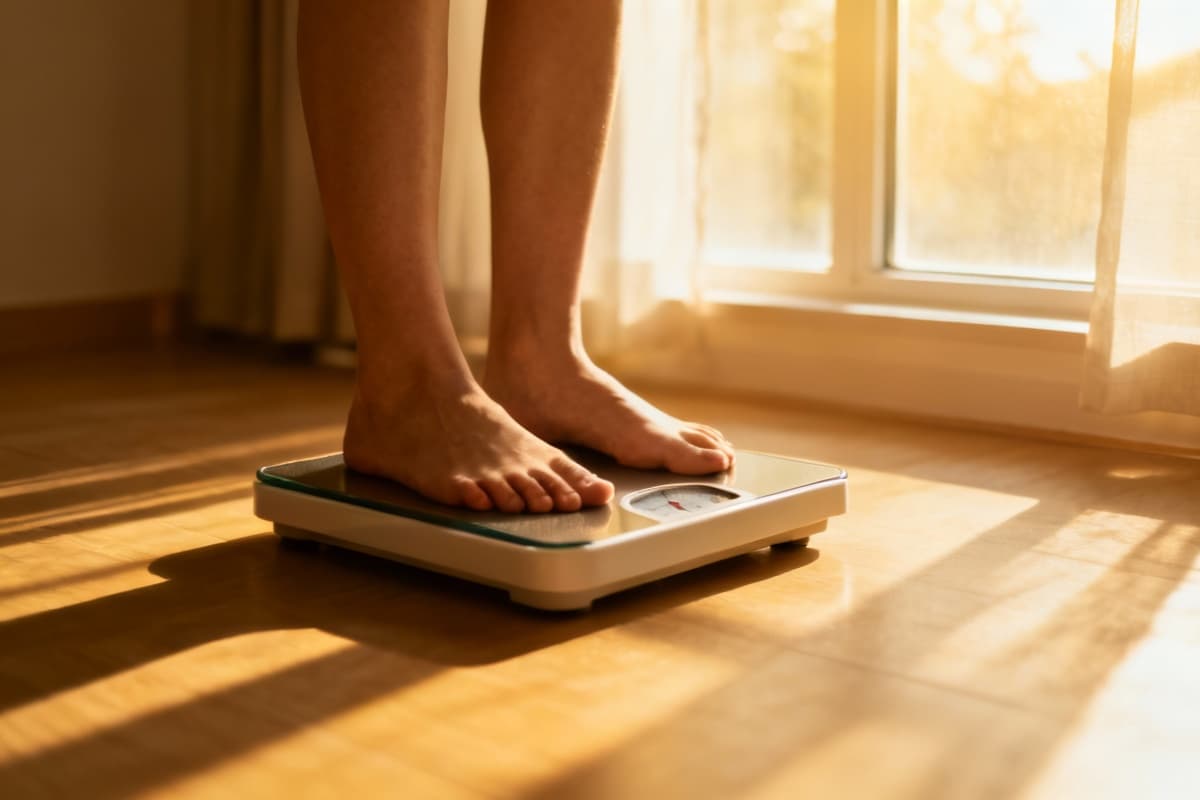
If you've ever stepped on the scale after a week of healthy eating and exercise only to see your weight go up a little, you're not alone. Weight loss is not a straight downward line – and that can actually be a positive thing. Our bodies naturally fluctuate day to day and week to week. Small ups and downs on the scale are completely normal and expected.1 In fact, just because your weight changes from one day to the next "doesn't mean you're not on track with your body weight goals."2 Understanding this non-linear pattern can help you stay motivated and avoid unnecessary stress on your weight loss journey. In this article, we'll explore why weight loss tends to be bumpy, the science behind those daily and weekly fluctuations, and how embracing the zig-zags can actually help you in the long run.
Weight Loss Is Naturally Non-Linear
Human bodies are complex, and body weight can shift throughout the week and even during the day. It's common for the number on the scale to rise or fall without warning, even when you're doing everything "right." The reality is that these small changes are normal. An average adult's weight can fluctuate by several pounds over just a few days.3 One medically reviewed report notes that daily weight fluctuation can be up to 5 or 6 pounds per day for the average adult4, and other experts have observed swings of even 8–10 pounds in a single day in some cases.5
Why does this happen? Because the number on the scale reflects more than just body fat. It includes water, food in your digestive system, waste, muscle, and more.6 These components are constantly changing. Think of your weight like the stock market: over time it might trend downward (weight loss), but day-to-day there will be ups and downs. A one-day spike isn't a setback, just like a single uptick in a falling stock doesn't mean the long-term trend has reversed. The key is to focus on the overall trajectory rather than each individual data point.
Why Does Your Weight Fluctuate? (Common Causes of Ups and Downs)
Many factors can cause temporary weight fluctuations even when your true body fat is decreasing. Here are some of the main reasons the scale bounces around:
Water Retention
Water is a major culprit in day-to-day weight changes. Your body is about 60% water, and shifts in hydration show up quickly on the scale. It's nearly impossible to gain or lose several pounds of fat in a day – so a sudden 2–3 pound change is usually water weight.7 For example, loading up on salty foods can make you retain water and cause a "large uptick" on the scale. On the flip side, a sweaty workout or a hot day might make you temporarily drop water weight. Don't be alarmed by these swings; water weight comes and goes and is not permanent fat gain.
Sodium and Carbohydrate Intake
Eating a salty meal or more carbohydrates than usual can make your body hang onto extra water. Sodium causes your cells to hold water, and this can spike your weight after a high-salt day.8 In fact, a meta-analysis found it can take a few days for water retention from a salty meal to subside.9 Carbs have a similar effect: for every gram of carbohydrate stored as glycogen in your muscles, your body stores about 3 grams of water with it.10 So if you enjoy a pasta or bread-heavy dinner, you might weigh more the next morning just from water. (This is why low-carb diets often show a quick drop at first – it's mostly water loss, not fat.) Importantly, this weight is temporary and "only water weight not fat."11
Digestive Contents (Food Weight and Waste)
The food and liquids in your system have weight, even though we often forget this. If you weigh yourself after a big meal or before having a bowel movement, the scale will include that extra food in transit. The contents sitting in your digestive tract add weight – so if you haven't had a bowel movement recently, your scale may be up a bit.12 This isn't fat gain; it's literally the weight of what's inside your gut. Similarly, being well-hydrated (drinking a lot of water) adds weight short-term, but that water will be used or excreted naturally. All healthy food and drinks weigh something, so timing your weigh-ins consistently (for example, first thing in the morning after using the bathroom) can help minimize this source of variation.13
Hormonal Cycles
Hormones have a big influence on water balance and can cause periodic weight fluctuations. This is especially noticeable for many women during their menstrual cycle. It's common to gain a few pounds of water weight in the days before or during a period.14 Estrogen and progesterone shifts cause your body to hold more water, leading to bloating. (One source notes menstrual-related water retention can increase weight by up to 2 kilograms (about 4.4 lbs).15) Typically this normalizes toward the end of the cycle as the excess fluid is released. Other hormonal phases can have effects too – for instance, around ovulation some people retain water, then see a dip, and another bump before menstruation.16 These changes are normal and happen even if you're following your weight loss plan perfectly. Don't let a mid-month weight spike discourage you – it's likely just hormonal water retention.
Inflammation and Exercise
Believe it or not, exercise can sometimes make your weight go up before it goes down. Intense workouts, especially strength training or new routines, cause microtears in muscle fibers (totally a healthy part of getting stronger!). Your body responds with inflammation to repair the muscles, which often means extra fluid is sent to the tissues. This can show up as temporary water weight gain or no change on the scale immediately after hard exercise.17 Additionally, your muscles might store more glycogen (with water) when recovering from workouts. Don't panic – you didn't gain fat from exercising! It's actually a sign your muscles are healing and getting stronger. For example, some people notice the scale is higher the day after a tough weightlifting session or a long run. This effect is short-lived; as the inflammation subsides and your muscles use up the glycogen, the water weight will drop off. In the long term, exercise builds muscle (which is denser than fat) and can improve your body composition even if the scale is a bit higher. Remember: gaining a little water weight due to exercise is a sign you're getting stronger, not fatter.
Other Factors
A few other things can cause weight to wobble. Sleep and stress levels, for instance, can influence hormones (like cortisol) that affect water retention and appetite.18 You might see higher weights after a poor night's sleep or during a stressful week – again, often water or slight changes in eating patterns, not actual fat gain. Certain medications can lead to water retention or changes in appetite as well.19 And of course, if you weigh yourself wearing heavy clothes one day and lightweight clothes the next, the scale will reflect that difference too!20 The key point is that many day-to-day factors affect your scale weight, and most have nothing to do with your long-term fat loss trend.
Understanding these factors is important because it helps you realize that daily fluctuations are normal and not necessarily indicative of failure or "undoing" your progress.21 Knowing this can reduce stress and anxiety about the scale and prevent you from making emotional decisions – like crash dieting or over-exercising – in response to a temporary uptick.
Fluctuations ≠ Failure: Stay the Course
Seeing the scale jump up 2 pounds overnight can be frustrating – but it's not a sign of failure. It bears repeating: you cannot gain 2 pounds of fat in a day (that would require eating over 7,000 calories above your needs!). So if the scale goes up, assume it's one of the normal causes above. In other words, if you're sticking to your plan – maintaining a calorie deficit, eating nutritiously, staying active – those sudden gains are almost certainly water, food, or other transient weight, not a reversal of fat loss.
The best thing to do is take these fluctuations in stride. Don't let the daily number dictate your mood or self-worth. It's easier said than done, but try to see the scale as a tool that provides data – one data point among many – not a judge of your success. This mindset will help you avoid the trap of getting discouraged by normal water-weight swings or, conversely, overly excited by a sudden drop (which might just be dehydration).
Also, look beyond the scale for signs of progress. Maybe your clothes are fitting looser, you have more energy, or your measurements are changing. These are "non-scale victories" that often signal real progress even if the scale is temporarily stuck. The scale can lie in the short term – you might be losing fat and gaining a bit of muscle or water, leading to no change in weight. But if you notice you can walk longer, lift heavier, or your jeans feel roomier, you are making progress. As one weight management expert notes, longer-term trends and other health markers tell the true story, not an isolated weigh-in.2223
This advice applies to everyone on a weight loss journey, including GLP-1 users (people taking medications like semaglutide for weight loss). In fact, if you're using a GLP-1 medication, you might see a big drop in weight in the first few weeks or months, then a slowdown. That doesn't mean the medication "stopped working" or that you're doing something wrong – it's expected. Hitting a plateau – while taking a GLP-1 or not – is a normal physiological response as your body adapts.24 Your body might "wise up" to the calorie deficit and try to defend your weight (a leftover survival mechanism).25 Don't throw in the towel if this happens. Instead, stay consistent and talk to your healthcare provider if you're concerned. Often, the advice is the same: keep going, trust the process, and give it time. As one expert says, "stay the course —don't...stop taking your medication [or regimen]" just because of a plateau.24 Eventually, with continued healthy habits, the trend should start downward again.
Focus on the Trend, Not the Day-to-Day
One of the best strategies to manage a non-linear journey is to zoom out and look at the trend over time. Rather than fixating on each daily weigh-in, consider how your weight is changing over several weeks or months. This is where tools like forecasting curves or trend lines come in handy. Weight-tracking apps allow you to plot a moving average or trend line through your weigh-ins. This trend line smooths out the daily noise (all those water fluctuations and other blips) and shows the underlying direction of your weight change. It's essentially extracting the signal from the noise – giving you a clearer picture of your progress.
When you view your journey as a trend, you'll notice that the line is bumpy but slopes downward over time. Minor upticks get absorbed into the curve and aren't so alarming. For instance, maybe your weight has bounced between 190–195 lbs this month. The trend line might reveal that four weeks ago you were averaging 194–195, and now you're averaging 191–192. That's progress! It just wasn't obvious from the raw daily numbers. By focusing on the moving average or trend, you can reassure yourself that you are losing weight (albeit gradually), which is far more important than what happened on any single day.
There's even a saying in finance that applies here: "The trend is your friend." If the overall trend is headed in the right direction, those little ups and downs along the way don't need to faze you. In fact, trend-focused tracking can take a lot of the stress out of weigh-ins. Seeing your true trend can change your relationship with the scale, because you'll notice your trend line moving down even when your daily weight won't budge. Instead of feeling defeated by a plateau or an uptick, you can check the trend line and be reassured that big picture, you're still on track. Some tracking tools even make forecasts – for example, projecting what you might weigh in a month or predicting when you could reach your goal if current trends continue. These forecasts can be motivating and help you keep a long-term perspective. Of course, predictions aren't perfect, but they illustrate the idea that consistency will get you to your goal, even if the daily path is uneven.
Instead of obsessing over "Did I lose a pound since yesterday?", try looking at your weight trend curve over the last 30 days. By doing so, you learn to trust the process and understand that minor fluctuations aren't cause for alarm – they're expected. The trend line gives you a kind of weight trajectory report, filtering out the "water weight noise" and highlighting the real progress. When you see that line steadily inching downward, you can feel confident that your efforts are working, which makes it easier to stick with your healthy habits.
Plateaus and Rebounds Are Normal (Keep Going!)
Almost everyone experiences a plateau at some point during weight loss. This might mean your weight stays the same for a few weeks or even creeps up a bit before continuing down. It's important to normalize this – plateaus are not a sign that you'll never lose more weight; they are a natural part of the journey. Sometimes after losing a certain amount, your body takes a breather. You might be losing fat but gaining a bit of water or muscle, resulting in a net zero change on the scale temporarily. Your body could also be adjusting to a new "set point" or your metabolism might have slowed slightly after losing weight (a protective response). This is especially common if you've lost a lot quickly, or around the 6-12 month mark in a long weight-loss phase (many GLP-1 users, for example, see most of their loss in the first year and then stabilize for a while).25
The good news is, plateaus can actually be beneficial in some cases. They give you a chance to maintain your new weight for a bit and let your body adjust (which might help prevent rapid regain). It's also a great time to focus on solidifying healthy habits without the "reward" of immediate weight loss – learning that you're doing this for your well-being, not just the number. Moreover, a plateau might indicate that you've lost a lot of water weight already, and now any further losses will be more purely fat (which comes off more slowly). This perspective can make plateaus feel less scary: they aren't the end of your progress, just a pause.
Rebounds (small regain periods) can happen too – for example, after an intensive diet phase or once you go off a very strict regimen, you might see a slight uptick in weight. This can be due to your body replenishing glycogen and water if you've been dieting very hard, or simply natural calorie balance adjusting. A minor regain is not a failure; in fact, it can be part of a healthy rhythm of weight loss. The overall trend over months is what counts. Think of two steps forward, one step back – you're still one net step ahead. It's not a straight line down, and some days it's not easy – but if you zoom out, that line is going downward overall, which is what matters.
During plateaus or rebounds, it's crucial not to panic or make rash decisions. Don't slash your calories to starvation levels or burn yourself out with hours of extra exercise – those choices are hard to sustain and often backfire (leaving you exhausted or prone to giving up). Instead, stay consistent with the balanced habits that got you this far. Trust that your body is adjusting and that, in time, the scale will catch up with your efforts. Sometimes just maintaining your current weight for a while is a victory in itself – it means once you do reach your goal, you'll be more likely to keep it off (since you've practiced sustaining a stable weight through a plateau).
If you've been on a plateau for a very long time and it's truly not budging, that might be a cue to gently tweak your routine (for example, adjust your calorie intake slightly, change up your workout type, or check in with a dietitian or doctor, especially in the context of GLP-1 therapy). But in most cases, the advice is patience. As one expert emphasizes, "experiencing some weight loss is better than none at all... even if the number on the scale isn't moving much", especially if other health markers are improving.22 So don't be discouraged by a plateau – it's a temporary phase, and if you stay the course, you will likely resume your weight loss.
Consistency Over Time = Success
When the journey feels slow or unpredictable, remember that consistency is far more important than day-to-day results. Those who succeed in losing weight and keeping it off are not perfect, nor do they see constant downward progress – they simply persist through the ups and downs. Over weeks and months, the effect of sticking to mostly healthy eating, regular activity, and good habits will absolutely show itself. A bumpy road still leads to the destination if you don't turn off it.
In hindsight, you might even be grateful that weight loss isn't perfectly linear. It teaches you to build resilience and healthy routines rather than chasing a quick fix. It also reminds you to listen to your body – to eat well, stay hydrated, reduce stress, and get enough sleep – all of which benefit your health beyond just weight. Your body is not a machine; it's a living, adjusting system, and that's a good thing. The little fluctuations mean your body is responding to its environment (storing water when needed, repairing muscle when you exercise, balancing hormones, etc.). These are signs of a healthy, functioning body, not failure.
Finally, keep in mind that the goal is not just a lower number on the scale – it's a healthier you. When you focus on the bigger picture, you realize that one weigh-in cannot make or break your journey. What matters is the trend of your habits and health over time. So the next time the scale throws you a curveball, take a deep breath and say, "This is normal." Then continue with your plan – drink water, eat your veggies, get some movement, and practice self-care. Consistency and patience will beat the zig-zags every time. Your weight loss graph might look like a jagged stock-market chart, but as long as that line is generally heading downward, you're doing great. Embrace the non-linearity and congratulate yourself for every bit of progress, no matter how uneventful or "slow" it may seem in the moment. In the end, you'll see that all those minor fluctuations were just footnotes in a much bigger success story – your journey to a healthier weight and lifestyle.
Conclusion: Trust the Process
Weight loss is rarely a straight line, and that's okay. In fact, it's actually a good thing because it means your body is maintaining balance as you lose fat. Daily and weekly weight fluctuations are expected1, so don't let them deter you. By focusing on long-term trends, staying consistent, and keeping a positive, informed mindset, you will achieve your goals. Remember, the trend (over time) is your friend – and your hard work is paying off, even if the scale doesn't drop every single day. Keep it up, trust the process, and know that every healthy choice is moving you in the right direction, no matter what the scale says this morning.
References
Footnotes
-
Patricia Jurek, RD. "Daily Weight Change Explained: 5 Factors That Can Affect Your Weight." Henry Ford Health Blog. https://www.henryford.com/blog/2021/04/daily-weight-change-explained ↩ ↩2
-
Henry Ford Health. "It's not uncommon for people to see daily weight changes... doesn't mean you're not on track with your body weight goals." https://www.henryford.com/blog/2021/04/daily-weight-change-explained ↩
-
Henry Ford Health. "Body weight can shift throughout the week and even during the day." https://www.henryford.com/blog/2021/04/daily-weight-change-explained ↩
-
Natalie Silver. "Is Weight Fluctuation Normal?" Healthline (Med. rev. by J. Meacham, PhD, RD). https://www.healthline.com/health/weight-fluctuation ↩
-
Jessica Smith. "Why You're Gaining Weight While Working Out." Shape. https://www.shape.com/weight-loss/management/help-why-does-my-workout-cause-weight-gain ↩
-
Shape. "The number on the scale includes water, food, waste, muscle, and more." https://www.shape.com/weight-loss/management/help-why-does-my-workout-cause-weight-gain ↩
-
Henry Ford Health. "Water retention is a major cause of daily weight changes." https://www.henryford.com/blog/2021/04/daily-weight-change-explained ↩
-
Rachel Hosie. "9 reasons your weight fluctuates that have nothing to do with fat." Business Insider. https://www.businessinsider.com/reasons-scale-weight-fluctuates-not-fat-loss-or-muscle-gain-2021-5 ↩
-
Business Insider. "It can take a few days for water retention from a salty meal to subside." https://www.businessinsider.com/reasons-scale-weight-fluctuates-not-fat-loss-or-muscle-gain-2021-5 ↩
-
Business Insider. "With every 1g of carbs stored, your body stores about 3g of water." https://www.businessinsider.com/reasons-scale-weight-fluctuates-not-fat-loss-or-muscle-gain-2021-5 ↩
-
Hayley Madigan, fitness coach. "This is only water weight not fat." Business Insider. https://www.businessinsider.com/reasons-scale-weight-fluctuates-not-fat-loss-or-muscle-gain-2021-5 ↩
-
The Lifestyle Dietitian. "What Most People Don't Realise Impacts the Number on the Scale." https://www.thelifestyledietitian.com.au/blog/2024/5/27/what-most-people-dont-realise-impacts-the-number-on-the-scale ↩
-
Healthline. "All food and drinks have weight... timing weigh-ins consistently can help." https://www.healthline.com/health/weight-fluctuation ↩
-
Henry Ford Health. "Hormonal changes can cause temporary water retention." https://www.henryford.com/blog/2021/04/daily-weight-change-explained ↩
-
The Lifestyle Dietitian. "Menstrual-related water retention can increase weight by up to 2 kilograms." https://www.thelifestyledietitian.com.au/blog/2024/5/27/what-most-people-dont-realise-impacts-the-number-on-the-scale ↩
-
Hayley Madigan, fitness coach. Business Insider. https://www.businessinsider.com/reasons-scale-weight-fluctuates-not-fat-loss-or-muscle-gain-2021-5 ↩
-
Shape. "Intense workouts cause variability on the scale due to inflammation and fluid retention." https://www.shape.com/weight-loss/management/help-why-does-my-workout-cause-weight-gain ↩
-
The Lifestyle Dietitian. "Sleep and stress levels can influence water retention." https://www.thelifestyledietitian.com.au/blog/2024/5/27/what-most-people-dont-realise-impacts-the-number-on-the-scale ↩
-
Healthline. "Certain medications can lead to water retention." https://www.healthline.com/health/weight-fluctuation ↩
-
The Lifestyle Dietitian. "Clothing weight can affect scale readings." https://www.thelifestyledietitian.com.au/blog/2024/5/27/what-most-people-dont-realise-impacts-the-number-on-the-scale ↩
-
The Lifestyle Dietitian. "Understanding these factors can reduce stress and prevent emotional decisions based on misleading scale readings." https://www.thelifestyledietitian.com.au/blog/2024/5/27/what-most-people-dont-realise-impacts-the-number-on-the-scale ↩
-
Dr. E. Glickman. "Experiencing some weight loss is better than none at all." HUM Nutrition Blog. https://www.humnutrition.com/blog/best-glp-1-for-weight-loss-2/ ↩ ↩2
-
HUM Nutrition Blog. "Longer-term trends and health markers tell the true story." https://www.humnutrition.com/blog/best-glp-1-for-weight-loss-2/ ↩
-
HUM Nutrition Blog. "Hitting a plateau—while taking a GLP-1 or not—is a normal physiological response... stay the course." https://www.humnutrition.com/blog/best-glp-1-for-weight-loss-2/ ↩ ↩2
-
Dr. E. Shapiro. "The body may 'wise up' to calorie deficit and try to defend weight." HUM Nutrition Blog. https://www.humnutrition.com/blog/best-glp-1-for-weight-loss-2/ ↩ ↩2